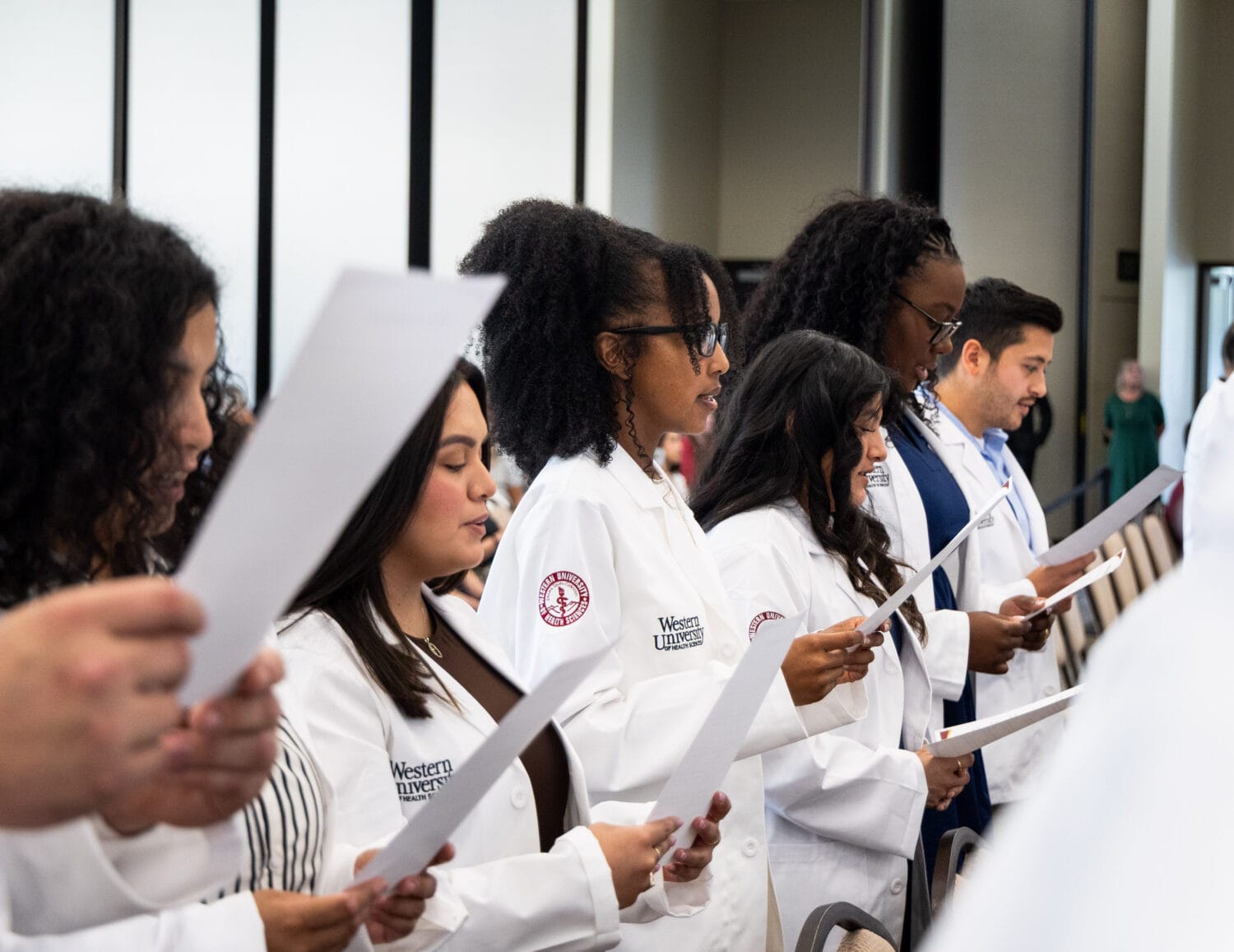
WesternU College of Podiatric Medicine’s Extremitas symposium emphasizes the importance of student research
by Rodney Tanaka
March 16, 2026
Read 1 mins
Research is an important part of medical training, allowing students to keep up to date on best practices, encouraging them to pursue their passions, and providing the opportunity to impact patient populations beyond those they help in the exam room.
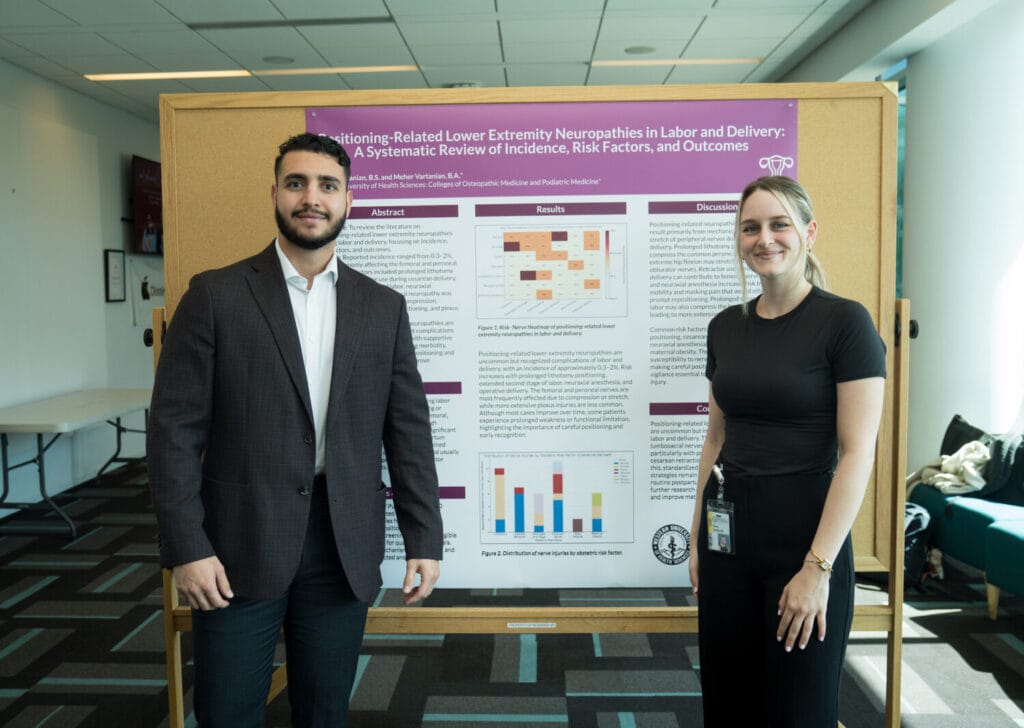
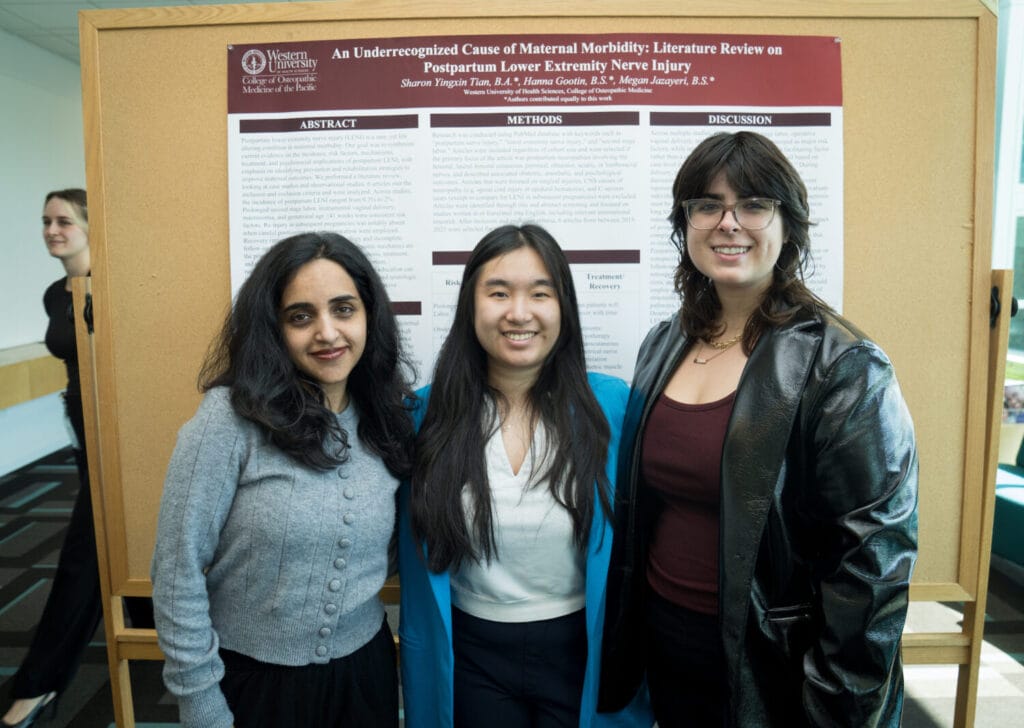
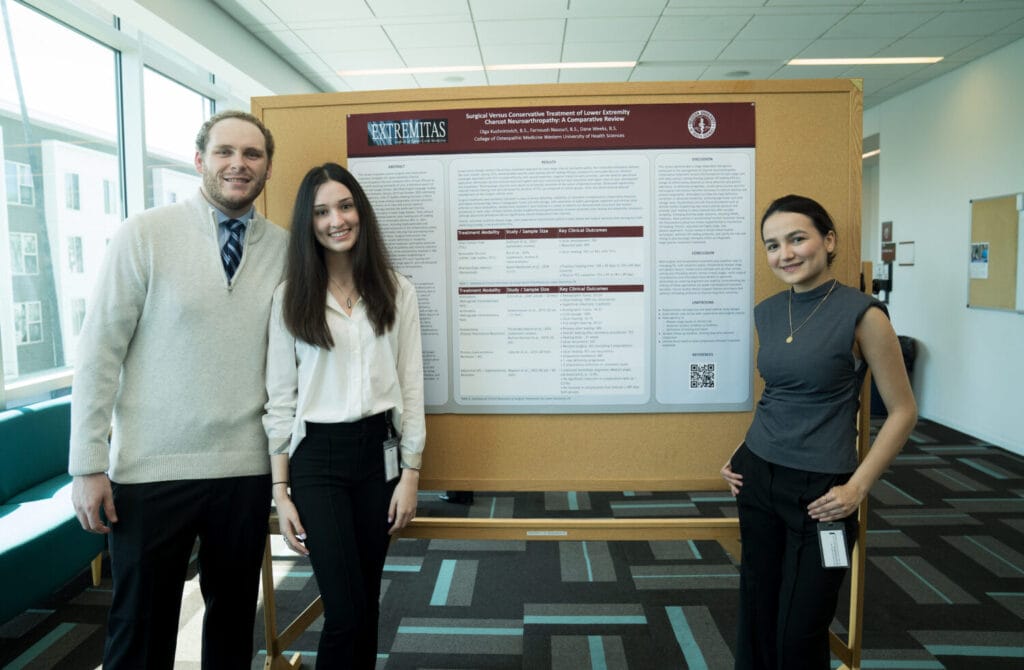
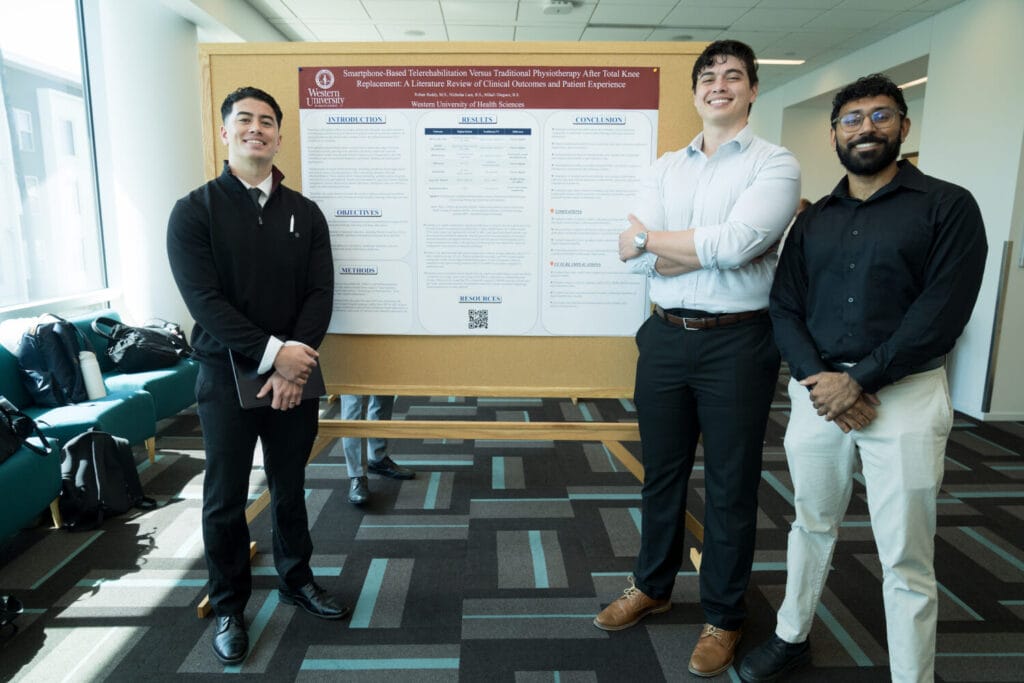
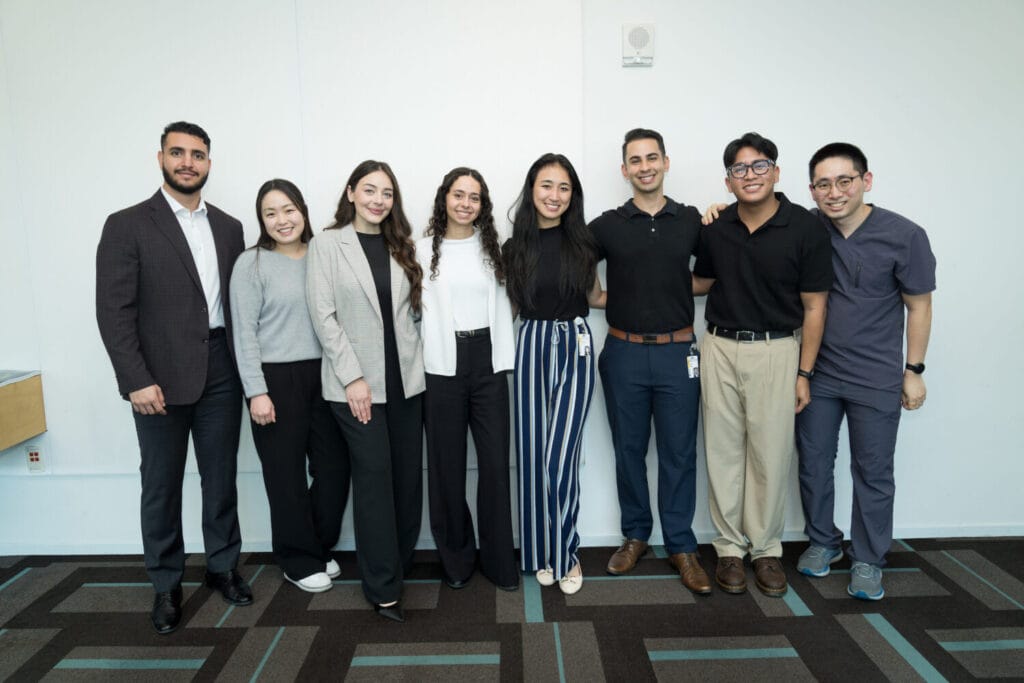
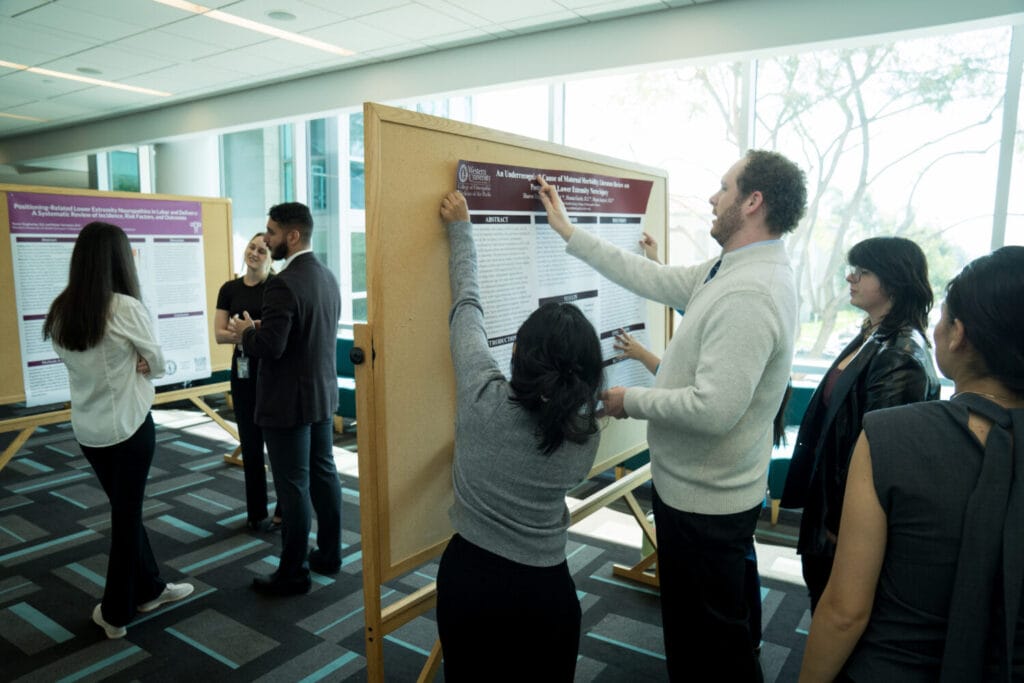
Western University of Health Sciences’ College of Podiatric Medicine showcased student research at its annual Extremitas Research Symposium March 4, 2026, on the WesternU California campus.
CPM publishes the Extremitas Journal of Lower Limb Medicine each year, with CPM students serving as editors. The publication is open to submissions from all WesternU students. The symposium provided students who published their research in Extremitas the opportunity to present 20 research posters to faculty, classmates and colleagues.
“I am proud of the students who conducted and presented their research at the Extremitas Research Symposium. Their pursuit to conduct research and manage the student-led Extremitas journal demonstrates their passion for lifelong learning and dedication to improving how we care for our patients and communities,” said CPM Dean Jonathan Labovitz, DPM, FACFAS, CHCQM. “As Carl Sagan said, ‘Somewhere, something incredible is waiting to be known.’ I look forward to seeing our students and alumni be the ones to find the incredible.”
Second-year CPM student Jessy Singh presented a poster and served as assistant editor of Extremitas. He will serve as editor-in-chief for the 2027 edition. Extremitas gives students the opportunity to go through the publication process in a positive environment, completing revisions and networking with faculty.
“Overall, the goal of Extremitas is to advance student research for the campus. We know a lot of students are conducting research, some for the first time,” Singh said. “Participating in research is important as a student and as a health care provider. You can be a physician, nurse, PA, optometrist, anything. You naturally make an impact on patients within your own practice or clinic. When you are conducting research, you make a larger impact on patient populations, educating other doctors and medical students. You will further impact not just the patients you’re seeing in your practice, but also patients on a larger scale.”
Second-year CPM student Eder Poot Martinez conducted research for the first time because he wanted to gain research experience while also learning more about podiatric medicine. He appreciated CPM holding this symposium.
“It’s nice to see all our hard work come to fruition,” he said. “It’s nice to work with friends and to be able to present. This taught me how to read different articles and conduct research that can either strengthen past research or refute other research.”
College of Osteopathic Medicine of the Pacific (COMP) students Katelyn Vu and Jiwon Han presented “Pedal Melanoma: A Literature Review of Treatment Options and Prognosis.”
“Research is the foundation of medical science. It is what allows us to move forward to create new patient outcomes and make sure we are looking for the best way to take care of patients,” Vu said.
Second-year CPM student Eeman Syed conducted research related to his passion for distance running, including a study of Achilles tendinopathy, which he has experienced as a runner.
“Knowing the research behind (these conditions) is really important when I’m in clinic explaining them to patients,” Syed said. “If I know the research or I did the research myself, I have the facts behind what I’m saying. I can use numbers to explain it more effectively.”
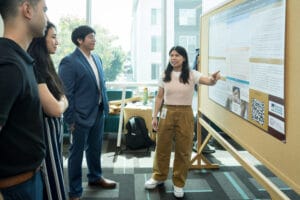
Second-year CPM student Francheska Delara said exploring different research papers taught her how to find credible sources. She also honed her communication skills because her research project, required her to talk to hospital staff.
“No one is ever going to know everything. I think research is important to maintain the innovative aspect of medicine,” Delara said. “When it comes to research, a lot of it can be very isolating. You’re working on your project alone. It’s nice to be able to talk with other people. This is a showcase where your peers can see all the hard work you put into it.”