Community example of humanism shapes WesternU Oregon’s next generation of physicians
April 2, 2026
Read 1 mins
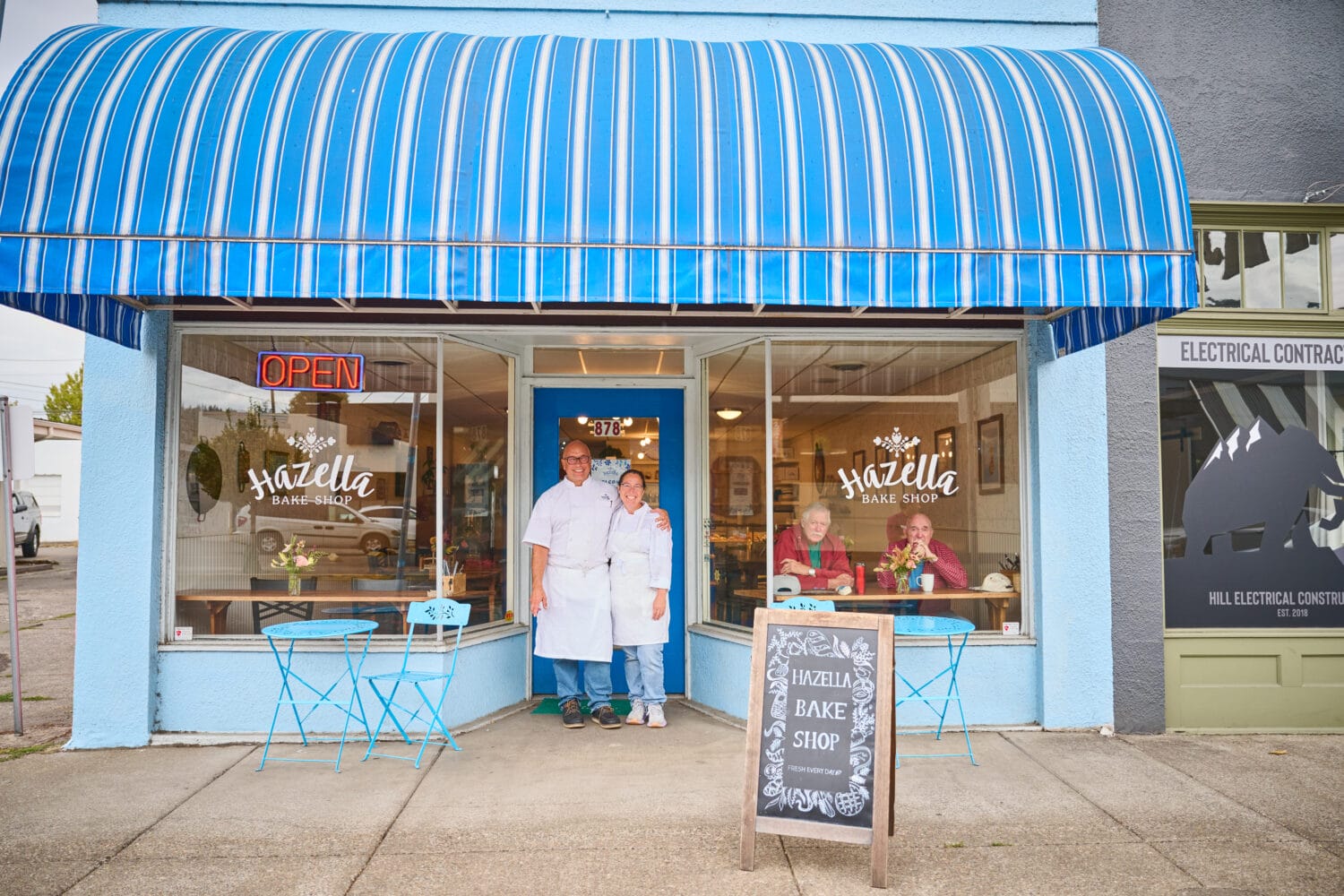
At Western University of Health Sciences, students are trained to grow into compassionate, patient-centered clinicians. This transformation is often nurtured by community members who open their doors and their hearts to these future providers. Among these supporters are Hazella Bake Shop and Hazella Baking School owners, Rebecca and Michael Kerrigone. Although Hazella Bake Shop closed its doors in November 2025, the Kerrigones’ impact on the WesternU community continues to shape students’ educational and professional journeys.
The Kerrigones’ involvement with WesternU began in the most unlikely of places: next to a dumpster.
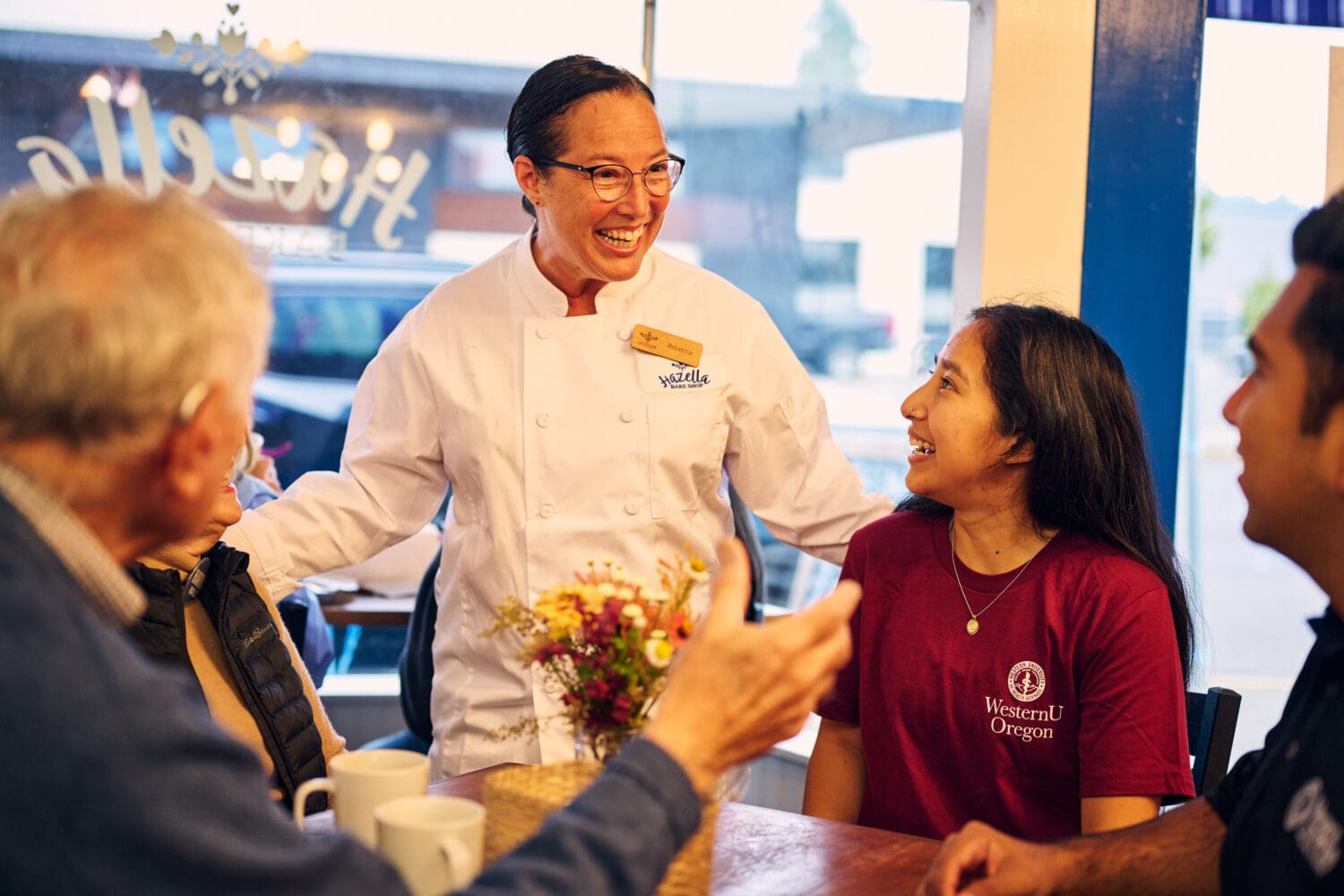 “When Michael and I first bought Hazella, we were living at Cascade Apartments. And one day, Michael was taking the trash out when someone else was also taking her trash out, and they started talking at the dumpster,” said Rebecca Kerrigone. “She shared that she was a medical student and that it was hard because it was during COVID. She started sharing some of her struggles with him. Later that evening, when we had some leftover pastries from the shop, Michael took a box over to her.”
From there, the operation quickly grew. More students from the College of Osteopathic Medicine of the Pacific-Northwest (COMP-Northwest), which is transitioning to its new name, the Heatherington College of Osteopathic Medicine, learned about Hazella Bake Shop and began receiving boxes of baked goods delivered to their doors after long days of classes.
“We would just leave boxes for different medical students, and they told us that it really helped because they were stuck in their apartments doing everything online, and they felt like the outside world had gone away. To have somebody care enough to leave them a box of pastries was beneficial in helping them get through their day. That was really fun for us,” Kerrigone said.
Soon, Hazella Bake Shop became the unofficial study location for many students. The Kerrigones opened a room in the back of the bake shop, nicknamed the “Speak Easy,” for students to use as a quiet study space.
“I think they just liked being there,” said Kerrigone. “We had several students who were there every day. A couple of them had their food handler cards from various jobs they’d done, so sometimes they’d just pop up and start busing tables. We also had several students who would hang out and visit while I was making stuff in the back, and they’d just start washing dishes.”
One such Hazella regular was fourth-year medical student Peri McClaskey.
“I got to know Rebecca the way most students did. I went into Hazella’s to get a pastry and a cup of coffee, not knowing anything about the business, early on in my time at the University,” said McClaskey.
McClaskey and Kerrigone quickly formed a friendship, seeing each other several times a week. During those early, challenging years of medical school, Kerrigone became a steady source of support for McClaskey, offering not just companionship but a sense of comfort, a home away from home when she needed it most
“I was in Hazella’s one to three times a week, either to get food, to grab a coffee, to study, or to just speak with Rebecca. She was a guide to me. She never hesitated to share her lived wisdom. She showed compassion and patience to me at a time in my life when I really needed it,” said McClaskey. “Rebecca has been a personal and spiritual mentor to me. I cannot overstate how much I love and respect Rebecca as a human.”
As much as the Kerrigones poured themselves into supporting students through pastries, space, and presence, the care they offered had a way of finding its way back to them. When Rebecca started feeling sick, she initially thought it was just indigestion.
“I went to the ER and told them, ‘I’m really sorry, I’m wasting your time. I have indigestion, and my family won’t leave me alone about it,’” said Kerrigone. “So we did the scan, and when the results came in, they told me I would be getting my appendix removed right away.”
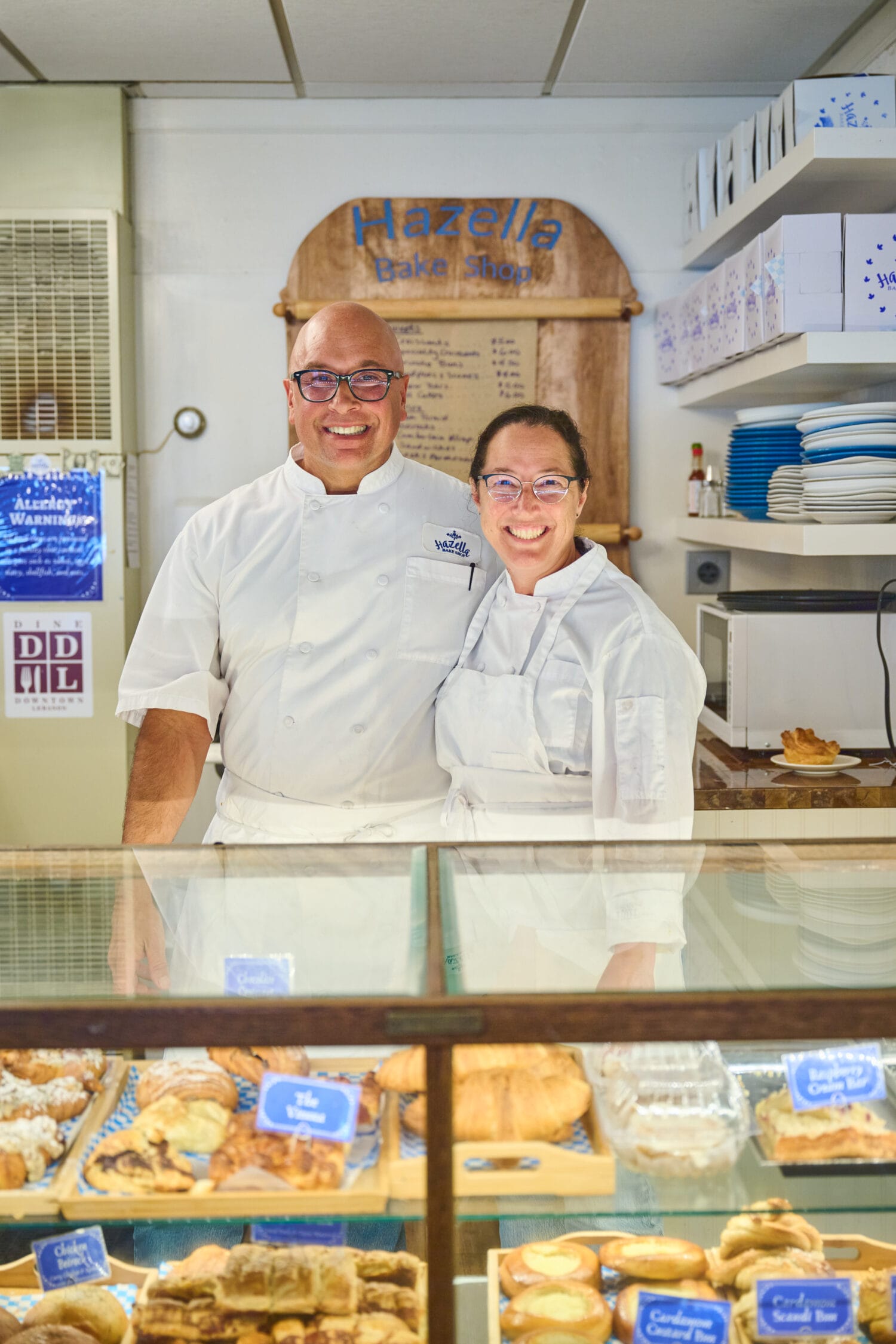
When Kerrigone’s care team entered the hospital room, she was surprised to see a familiar face. COMP-Northwest third-year student and Hazella regular Rafay Zaman was on a surgery rotation and would be participating in her emergency appendectomy.
“Rafay was one of those students who Michael had told his mom, ‘We will take care of him.’ We’d done a lot of things together. He helped Michael with a podcast he was doing. When he’s sick or has a cold, I take soup to him. He just spent a lot of time with us,” Kerrigone said. “During the surgery, I went to sleep and Rafay took care of whatever needed to be taken care of. When I woke up, there he was, holding my hand. It was really beautiful, because Michael and I always say we adopt the students, and it has really worked out that way.”
For Zaman, the opportunity to support the Kerrigones through surgery was a clinical milestone. The relationship they had built as friends now carried into the operating room, shaping his role as a future physician and advocate. By providing care for someone who had so often cared for him, Zaman saw clearly the kind of doctor he hopes to become: one who shows up fully, leads with empathy, and never forgets the humanism at the heart of healing.
“My relationship with them served as the motivation for me to advocate for Rebecca, and it also demonstrated to me the importance of really truly knowing your patient so that when they need that advocacy, you can be there for them,” said Zaman. “Medicine is really a customer service experience where we need to weave the complexity of medicine with the warmth and empathy that comes with being a human being and they really kind of capture that essence. As far as I’m concerned, every patient I heal, I’ll attribute part of that to them.”